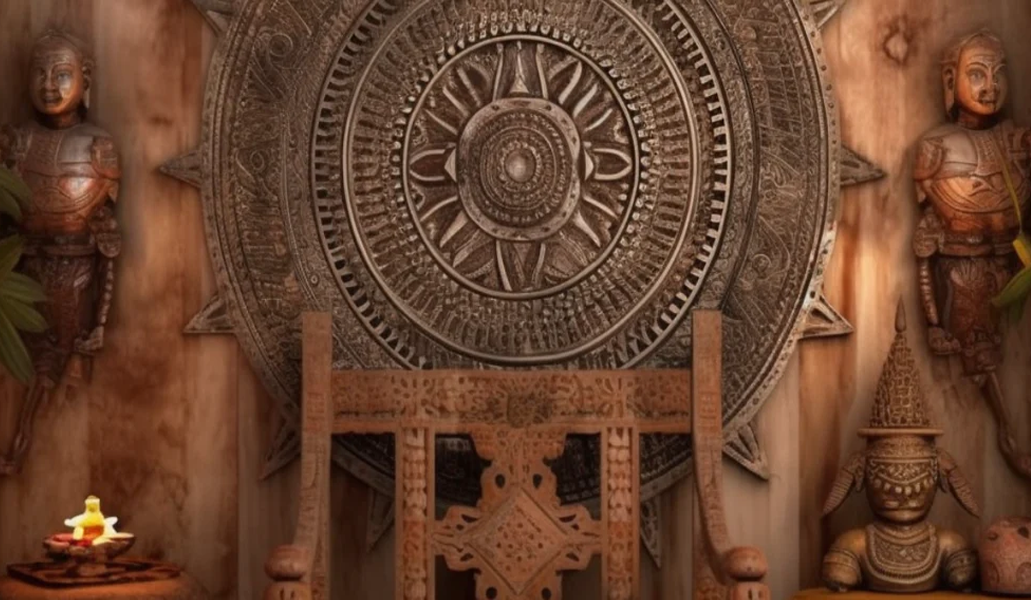
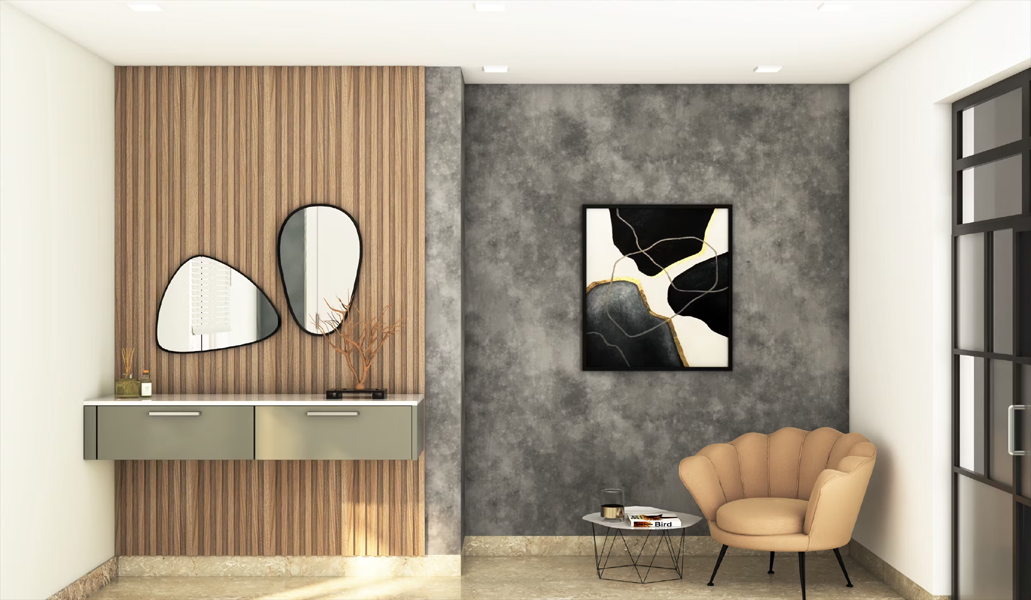
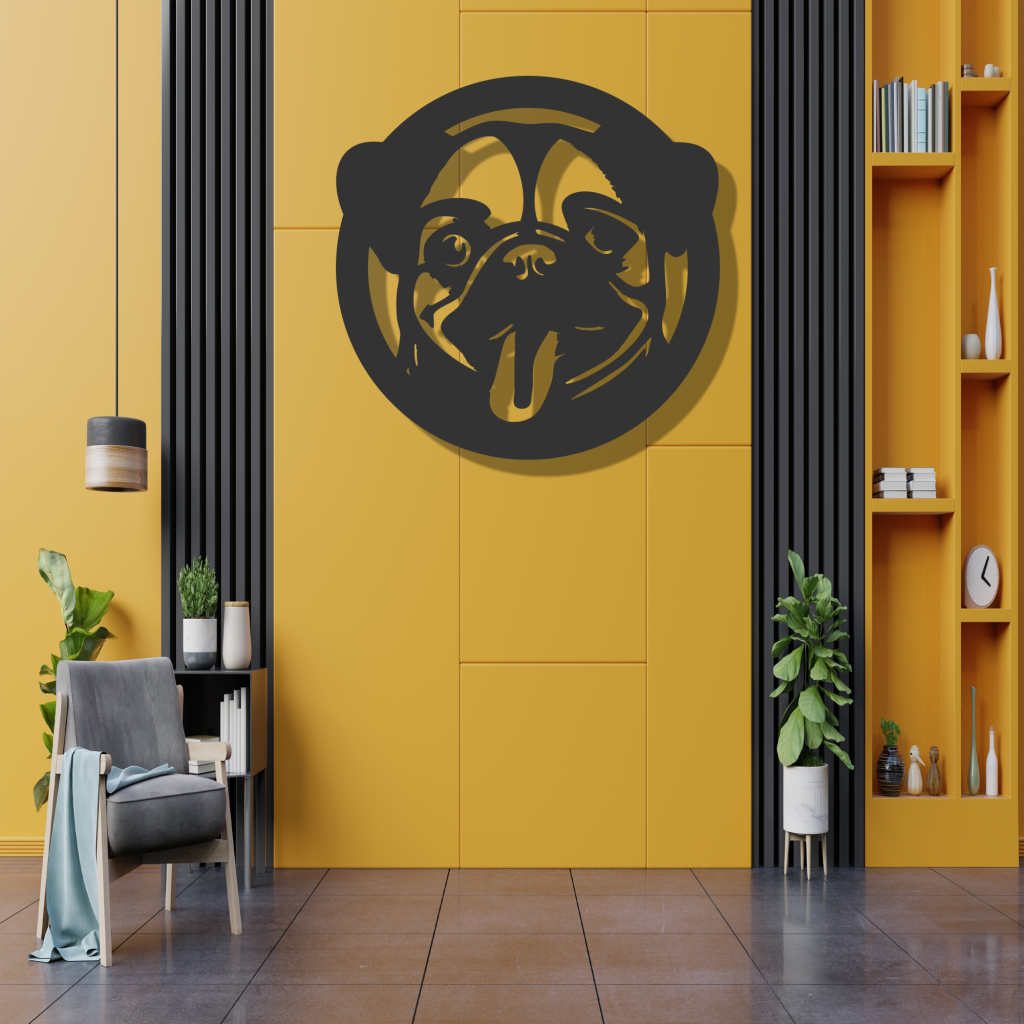
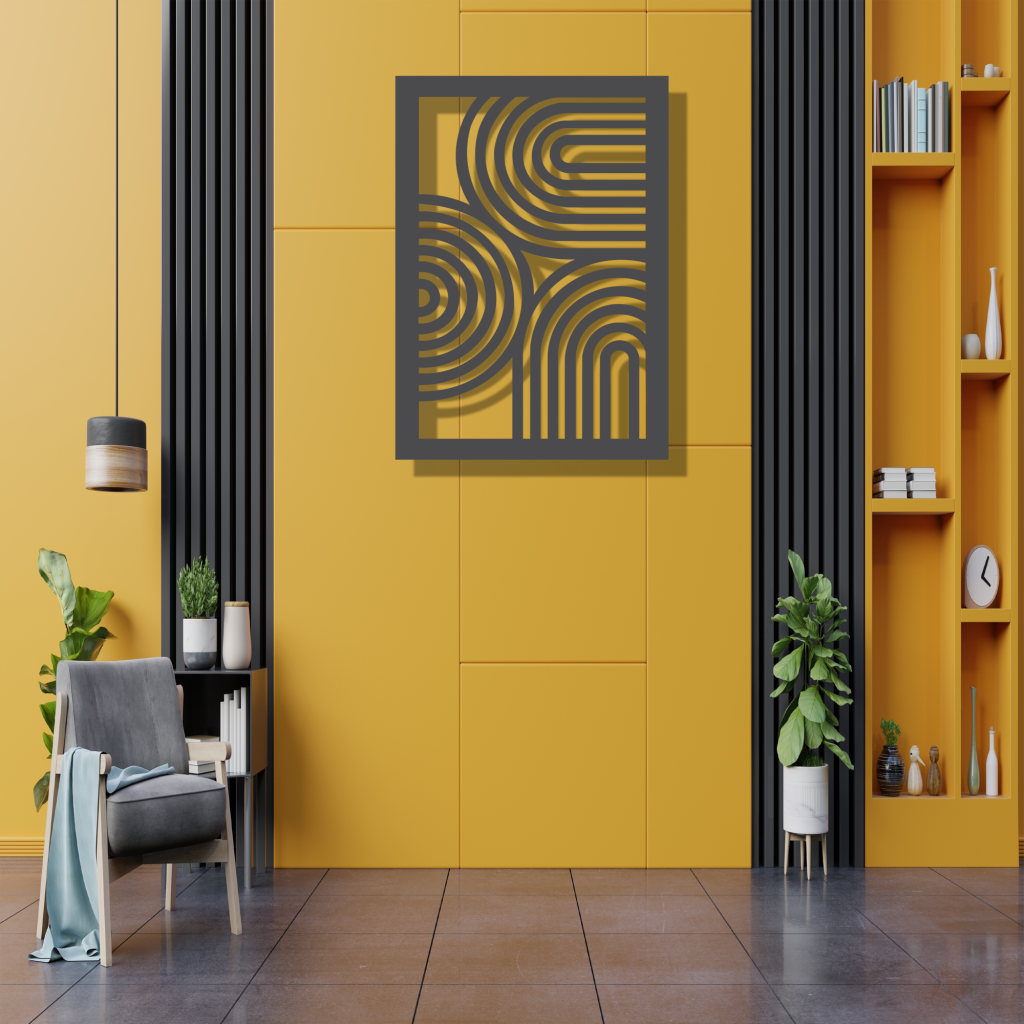
Vastu Shastra is an ancient Indian science that focuses on creating harmonious and balanced living spaces. According to Vastu, the arrangement and placement of objects within a home can influence the energy flow, bringing positive or negative effects to the occupants. When it comes to incorporating wooden wall art into your home following Vastu principles must be considered.
Vastu Shastra is an ancient Indian science that focuses on creating harmonious and balanced living spaces. According to Vastu, the arrangement and placement of objects within a home can influence the energy flow, bringing positive or negative effects to the occupants. When it comes to incorporating wooden wall art into your home following Vastu principles, here are some considerations:
-
Material and Element Compatibility:
- Wood is considered one of the five fundamental elements (Pancha Bhoota) in Vastu Shastra. It represents warmth, growth, and strength. Wooden wall art, being aligned with the element of wood, is generally auspicious.
- Ensure that the wood used in the wall art is of good quality and free from defects. Avoid using damaged or decaying wood, as it can bring negative energy into the space.
-
Directional Placement:
- The placement of wooden wall art can be influenced by the cardinal directions. Each direction is associated with a specific element, and it's essential to balance these elements for positive energy flow.
- Wooden wall art, being connected with the wood element, is well-suited for the east or southeast directions, as these are associated with the element of wood according to Vastu. Placing wooden art in these directions is believed to enhance positive energy and growth.
-
Symbolism and Imagery:
- Choose wooden wall art with positive and uplifting symbolism. Avoid artwork depicting violence, sadness, or any negative imagery, as it may adversely affect the energy of the space.
- Traditional Vastu symbols like the Swastika or images of natural elements such as trees, flowers, or landscapes can bring positive vibrations to the home.
-
Color Harmony:
- Consider the color of the wooden wall art in relation to the room's color scheme. Vastu emphasizes the importance of color in creating a balanced environment.
- Natural wood colors, such as browns and earthy tones, are generally considered harmonious. However, it's advisable to avoid excessively dark or intense colors, as they might create a heavy atmosphere.
-
Proper Hanging Height:
- Pay attention to the height at which you hang your wooden wall art. In Vastu, it's recommended to place artwork at eye level to encourage a balanced and comfortable energy flow.
- Ensure that the artwork is securely and evenly hung, avoiding any tilting or misalignment.
-
Personal Preferences and Intuition:
- Vastu principles provide guidelines, but personal preferences and intuition also play a crucial role. If a particular placement or piece of wooden wall art feels right to you, it might be beneficial for your individual energy.